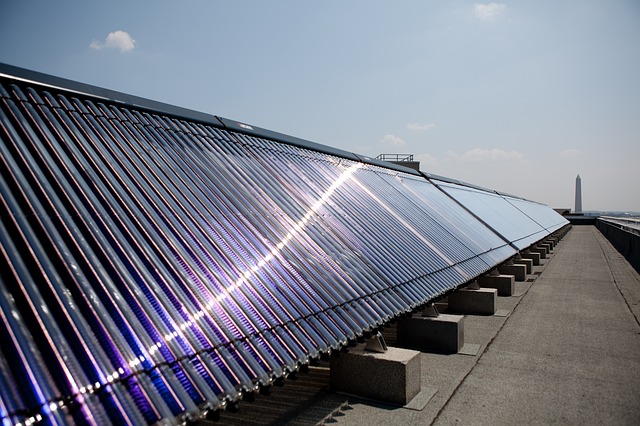
We can’t do without hot water
Which water heater will help save energy?
The water heater should be made of high-quality material that is resistant to corrosion and limescale. The best solution is when the flange cover and the heater tank are made of the same material, and when the heating element is inserted into a steel sleeve welded to the steel flange cover. Manufacturers specify a service life of 10–20 years, depending on the material used.
We also consider the option of installing a combination water heater. This allows us to use two energy sources depending on what is more advantageous for us. Instead of electricity, we can heat water with gas, solid fuels, or a solar system.
Where should we place it?
An important factor for energy savings is the distance between the water heater and the point of hot water use. The shorter the distance, the lower the heat loss. According to experts, energy losses increase significantly at distances greater than 2 meters, and at distances greater than 3 meters, it is advisable to install a smaller water heater.
What size water heater?
About 50 liters of water are needed per person. Calculate how many household members there are and how many of them will use hot water. Designers typically recommend a 120-liter water heater for a family of four. If the family enjoys the luxury of a full bath every day, a larger water heater is necessary. 
How do you maintain it? A
high-quality water heater should be easy to maintain, especially in areas with hard water. The heating element should be removable and cleanable without draining the water. Cleaning ports allow for the removal of sediment and limescale from inside the tank. High-quality insulation ensures the ability to retain hot water. A high-quality water heater can save up to 35% in energy.
However, statistics show that we neglect maintenance and fail to keep the water heater in good condition, free of scale buildup. This leads to increased energy consumption for heating water and inaccurate temperature readings. The temperature should be set to 55–60°C, which many users do not follow, leading to greater limescale buildup and increased costs.